

Hosting an event in today's diverse dining landscape means navigating an increasingly complex array of dietary needs, restrictions, and preferences. From medically necessary allergies that can be life-threatening to philosophical choices that reflect deeply held values, your guests' dietary requirements deserve the same thoughtful attention as every other element of your celebration. A Joy Catering has spent over thirty years developing expertise in dietary accommodation—not as an afterthought or a limitation, but as an integrated part of our menu design process that ensures every guest at your Miami event feels seen, valued, and well-fed. This comprehensive guide helps hosts understand the landscape of dietary accommodation and approach their event planning with confidence.
Understanding the Spectrum of Dietary Needs
Dietary accommodations fall into several categories, each requiring different levels of attention and protocol. Understanding these distinctions helps hosts communicate effectively with their caterer and set appropriate expectations for their event. Food allergies represent the most serious category—reactions to allergens like nuts, shellfish, soy, dairy, eggs, or wheat can range from uncomfortable to life-threatening. These require strict protocols including dedicated preparation areas, careful labeling, and staff training to prevent cross-contamination.
Food intolerances—such as lactose intolerance, gluten sensitivity, or sensitivity to certain FODMAPs—cause discomfort but typically don't carry the same immediate danger as true allergies. However, they significantly impact a guest's experience if not accommodated. A guest with gluten intolerance who can't eat any of the passed hors d'oeuvres, main course accompaniments, or desserts has a fundamentally diminished event experience, even if their health isn't endangered. Thoughtful accommodation means these guests enjoy the same variety and quality as everyone else.
Planning an event?
Let our team create a custom menu and experience for your celebration. Free consultation, no obligation.
Get a Free Quote →Religious and ethical dietary requirements—kosher, halal, Hindu vegetarianism, Buddhist dietary practices—carry spiritual significance that demands respectful accommodation. These aren't preferences to be negotiated but commitments that hosts should honor without question. Lifestyle choices including veganism, vegetarianism, pescatarianism, and various frameworks like paleo, keto, or raw food diets represent personal values that thoughtful hosts accommodate as a gesture of respect and hospitality.
Miami's multicultural community means any given event may include guests spanning this entire spectrum. A wedding celebration might include a guest with severe nut allergy, several kosher-keeping attendees, vegan friends of the couple, and guests managing diabetes. A Joy Catering's menu design process accounts for this diversity from the start, creating inclusive menus where accommodation is built into the structure rather than bolted on as modifications.
Collecting Dietary Information from Your Guest List
Effective dietary accommodation begins with information gathering well before the event. The most successful approach collects dietary information as part of the RSVP process, giving your caterer adequate time to design accommodations thoughtfully rather than scrambling last-minute. How you ask matters—the phrasing should be open and non-judgmental, making guests feel comfortable disclosing needs they might otherwise minimize.
For weddings and formal events, include a dietary section on your RSVP card or online form. Rather than a simple yes/no checkbox, provide space for guests to describe their needs: "Please note any dietary restrictions, allergies, or preferences so we can ensure you enjoy the meal." This open format captures information that checkbox categories might miss—a guest who is vegetarian but also avoids mushrooms, or someone managing multiple allergies that don't fit neatly into standard categories.
For corporate events, distribute a dietary survey to attendees or their assistants two to three weeks before the event. In professional settings, people are sometimes reluctant to disclose dietary needs for fear of being perceived as difficult—your communication should emphasize that accommodation is standard practice and that the information will be handled discreetly. For recurring events—monthly board meetings, weekly team lunches—maintain a master list of known dietary requirements that gets updated periodically and shared with your catering team automatically.
Share collected information with A Joy Catering as early as possible. Our culinary team uses this data to design menus that naturally accommodate the most common needs within the main menu concept, with specific preparations planned for individual severe allergies or complex combinations. The earlier we receive this information, the more seamlessly we can integrate accommodation into the overall dining experience rather than preparing obviously separate alternatives.
Menu Design Strategies for Inclusive Events
The most elegant approach to dietary accommodation is designing menus that are inherently inclusive—where the core menu naturally satisfies multiple dietary needs without requiring separate preparations that single out restricted guests. A Joy Catering excels at this inclusive design approach, creating menus where accommodation is invisible to most guests because it's woven into the menu's DNA rather than appended as modifications.
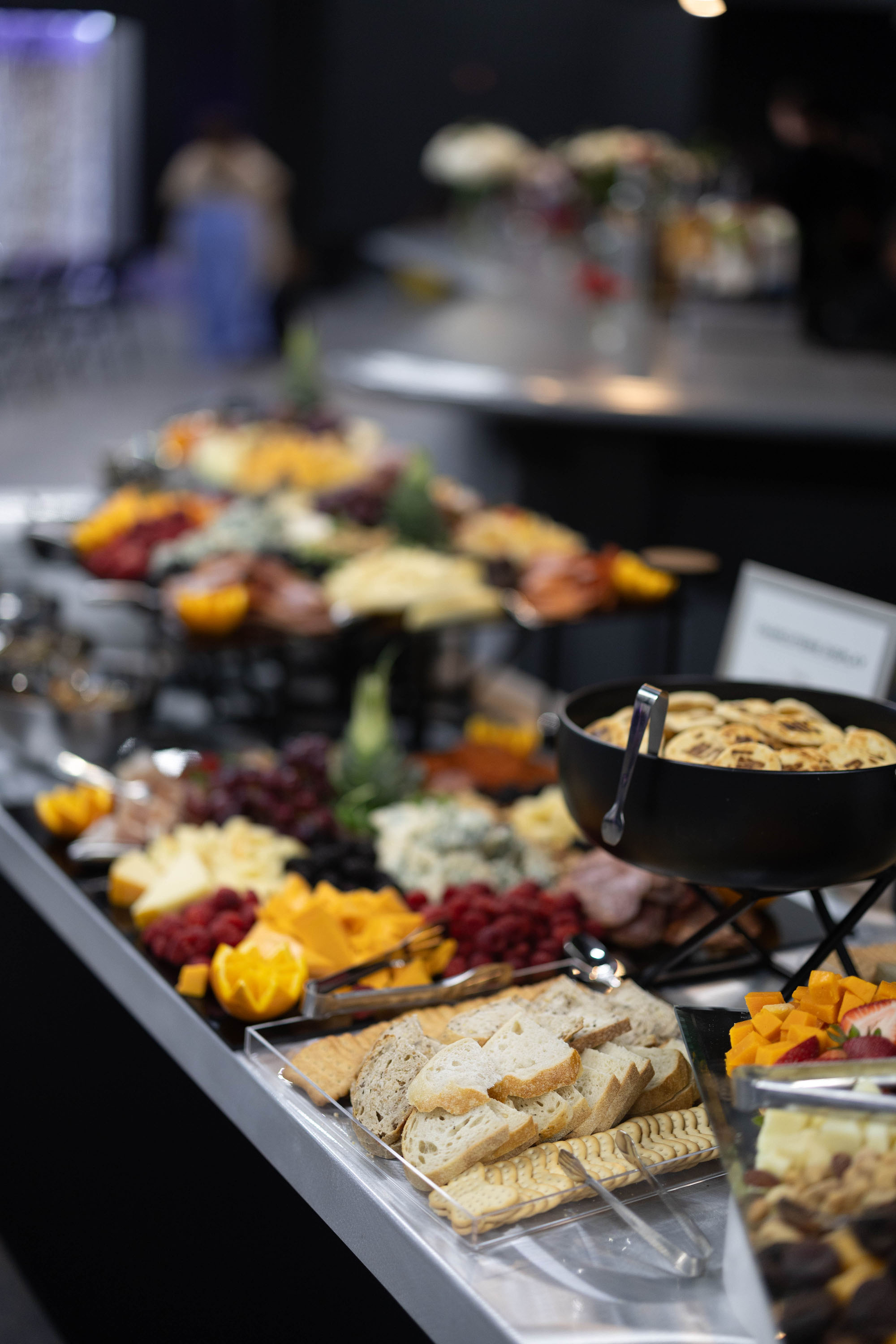
For buffet and station events, this might mean ensuring that every station includes at least one substantial option for each major dietary category. A Mediterranean station naturally offers vegan options (hummus, falafel, tabbouleh), gluten-free choices (grilled vegetables, rice dishes), and dairy-free selections (olive oil-based preparations) alongside items that contain restricted ingredients. Clear, attractive labeling identifies allergens and dietary categories without drawing excessive attention to restrictions.
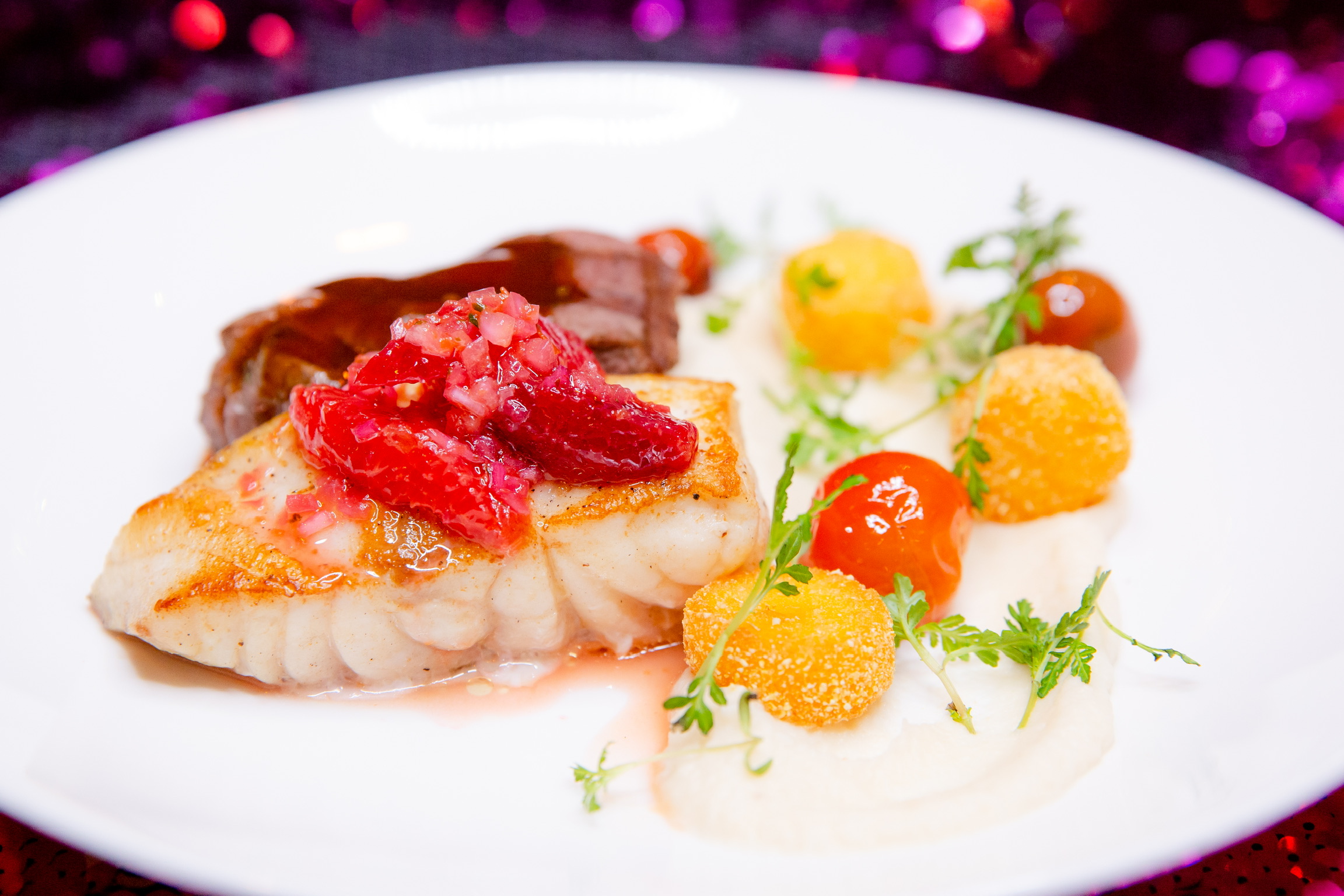
For plated dinners, we design menus where courses share visual presentation regardless of dietary modification. A vegan guest's plate should arrive with the same artistry, portion size, and attention as their omnivorous tablemates' plates. We don't serve restricted guests lesser or obviously different meals—they receive carefully designed alternatives that belong aesthetically and qualitatively to the same dinner experience. This equality of experience is fundamental to our philosophy of accommodation.
Dessert courses often present the greatest accommodation challenge, as traditional pastry relies heavily on dairy, eggs, gluten, and sugar. A Joy Catering's pastry team has developed extensive expertise in alternative dessert preparation—vegan chocolate tortes that rival conventional versions, gluten-free fruit tarts with almond flour crusts, and sugar-free preparations that satisfy without artificial aftertastes. These aren't compromises—they're creative solutions that often surprise guests with their excellence.
Allergy Safety Protocols for Events
When guests with serious food allergies attend your event, safety protocols become non-negotiable. A Joy Catering maintains rigorous allergy safety practices developed over decades of serving guests with severe restrictions. These protocols protect guests while maintaining the seamless service experience that events require—safety should be invisible to the majority of guests while providing absolute protection for those who need it.
Our allergy protocol begins in the kitchen with dedicated preparation areas for allergen-free dishes. When a guest has a severe nut allergy, their meal is prepared using separate equipment, cutting boards, and utensils in a designated area of our kitchen. Ingredients are verified allergen-free through supplier documentation. The prepared dish is sealed and labeled with the guest's name, table number, and specific allergen information, then delivered separately from general service to prevent any contact with allergens during transit and plating.
Service staff are briefed before every event on guests with severe allergies—their seat locations, the nature of their restrictions, and the specific protocol for delivering their meals. Captains assigned to tables with allergic guests are trained to communicate discreetly with those guests, confirming their restrictions and assuring them that their meal has been prepared safely. This communication provides peace of mind that allows allergic guests to relax and enjoy the celebration rather than worrying about their safety.
For events with multiple allergen concerns—not uncommon in large celebrations—we create an allergen matrix that maps every menu item against every known guest restriction. This document ensures comprehensive protection and identifies any potential issues before the event. We share this information with the host for review and maintain it on-site during the event for real-time reference if questions arise.
Communicating Dietary Accommodation to Guests
How you communicate about dietary accommodation affects both restricted guests' comfort and all guests' experience. The goal is making restricted guests feel cared for without drawing uncomfortable attention to their needs. For buffets and stations, clear labeling using recognizable icons—a leaf for vegan, a wheat stalk crossed out for gluten-free, a nut icon crossed out for nut-free—provides essential information without requiring guests to ask staff or draw attention to their restrictions.
For seated dinners, the most elegant approach handles accommodation invisibly through the service team. Restricted guests' meals are delivered by informed staff who can answer questions discreetly without announcing modifications to the table. Menu cards might note "please inform your server of any dietary needs" rather than listing specific accommodations—this gives restricted guests an easy opening to confirm their needs without feeling singled out.
For hosts concerned about guests who don't disclose restrictions (this happens more often than you might expect), we build safety nets into the menu. Having a readily available vegan, gluten-free alternative in the kitchen provides backup for last-minute disclosures. Our service staff are trained to notice when a guest isn't eating—a possible indicator of an undisclosed restriction—and to offer alternatives with grace and discretion.
Work with A Joy Catering for Inclusive Events
Dietary accommodation at its best is an expression of hospitality—the message that every guest matters, every need is anticipated, and no one is overlooked in the celebration. A Joy Catering has built this philosophy into our standard operations over thirty-plus years of serving Miami's diverse community. Whether your event includes one guest with a specific allergy or a guest list spanning every dietary category, our culinary team designs experiences where every person enjoys exceptional food tailored to their needs. contact us to discuss how we can make your next event welcoming and delicious for every guest at the table—because inclusive hospitality is simply good hospitality.