


Your wedding day is a complex choreography of moments—ceremony, cocktails, dinner, dancing, and countless transitions between them—and the catering timeline serves as the backbone that holds everything together. In Miami, where outdoor settings, warm weather, and multicultural traditions add layers of complexity to wedding timelines, understanding how your caterer manages time is essential to enjoying a celebration that feels effortless and perfectly paced. A Joy Catering has choreographed thousands of Miami wedding timelines over three decades, and this experience informs a precise understanding of how long things actually take, where buffer time is needed, and how to create an evening that flows naturally from one beautiful moment to the next.
Pre-Ceremony: What Your Caterer Does Before You Walk the Aisle
While you're having photographs taken and taking a last deep breath before your ceremony, A Joy Catering's team is executing a carefully planned production schedule at your reception venue. For most Miami weddings, our team arrives four to six hours before guest arrival—earlier for complex productions or venues requiring extensive setup. This advance work happens entirely behind the scenes, invisible to you and your guests but essential to the seamless experience that follows.
The first hours involve physical setup: positioning cooking equipment, building food stations, arranging service areas, and establishing the kitchen operations center. Our chef de cuisine begins firing preparations that require extended cook times while prep cooks handle time-sensitive finishing work. Meanwhile, our captain supervises table setting—placing service ware, positioning water glasses, confirming table numbers, and ensuring place settings match the detailed diagrams developed during planning. Every element is positioned and inspected before guests arrive.
Planning an event?
Let our team create a custom menu and experience for your celebration. Free consultation, no obligation.
Get a Free Quote →The final pre-event hour focuses on quality verification and timing calibration. Food preparation reaches completion stages timed to the ceremony's anticipated end. Cold items are arranged in their display positions but kept refrigerated until the appropriate moment. Bars are stocked, ice wells filled, and bartenders briefed on the evening's signature cocktails. Our captain conducts a final walk-through, confirming that every element meets our standards and communicating with the ceremony site about timing so our team knows precisely when to expect the transition to cocktail hour.
Cocktail Hour: The First Sixty to Seventy-Five Minutes
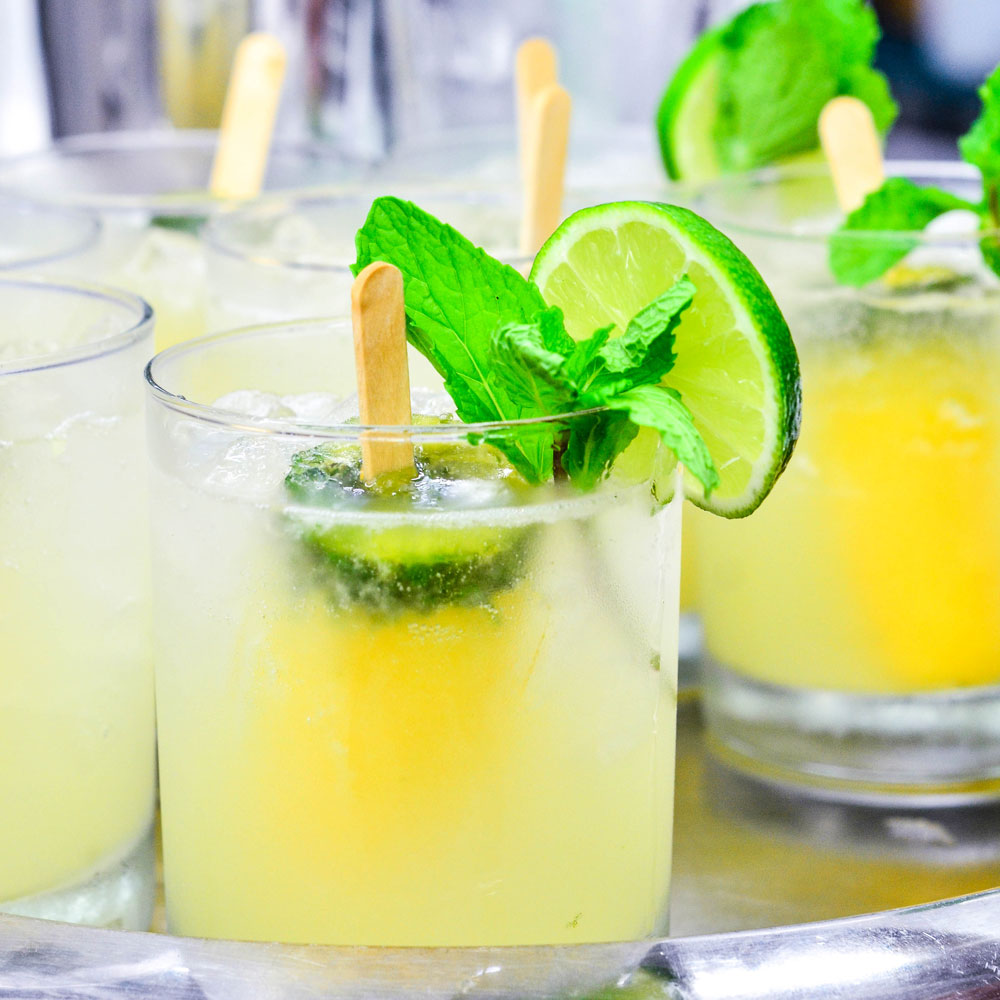
The cocktail hour begins the moment guests arrive at the reception space after the ceremony—and its success depends on immediate, visible abundance that signals the celebration has begun. Within thirty seconds of the first guest's arrival, they should have a drink offered (our servers greet arriving guests with trays of the signature cocktail and sparkling water) and food visible (stations are already displayed and beautiful; the first passed trays circulate immediately).
Timing within cocktail hour follows a deliberate rhythm. The first fifteen minutes focus on refreshment and orientation—getting drinks in hands and letting guests find their bearings in the space. Minutes fifteen through forty-five represent peak socializing, with continuous passed hors d'oeuvre circulation and full station availability. The final fifteen to twenty minutes transitions energy toward the reception space—perhaps a final substantial passed item encourages satiation while our team opens doors to the dining area, beginning the soft migration that leads into dinner.
Cocktail hour duration in Miami requires consideration of the couple's photography needs. Many couples take formal portraits and creative photographs during this period—if you need seventy-five to ninety minutes for photography, your cocktail hour should extend accordingly. A Joy Catering adjusts food quantities and pacing for extended cocktail hours, ensuring guests remain well-fed and entertained throughout without exhausting the evening's culinary excitement before dinner begins.
Communication between our captain and the photographer's team is critical during this period. Our captain monitors the couple's progress and adjusts reception setup timing accordingly—if photos run long, we hold the dining room transition. If the couple finishes early, we accelerate setup so guests aren't kept waiting unnecessarily. This real-time flexibility ensures the evening responds to actual circumstances rather than rigid timelines that don't account for the beautiful unpredictability of wedding days.
The Reception: Dinner Service Timeline
Once guests are seated for dinner, the service timeline becomes more precisely structured. Each course has an optimal serving window, and our captain manages the kitchen and service team to hit these marks while remaining responsive to the evening's natural rhythm—because the best catering serves the celebration, not the other way around.
Guests are typically seated and settled within ten to fifteen minutes of the dining room opening. Welcome toasts or blessings often occur during this settling period. Once formal remarks conclude, first course service begins—our team delivers one hundred or more plates within a five-to-seven-minute window for plated service, creating the impressive synchronized delivery that demonstrates professional precision. Guests enjoy the first course for fifteen to twenty minutes before clearing begins.
Between first course and main course, a fifteen-to-twenty-minute interval allows for additional toasts, table visits by the couple, or simply comfortable conversation. This pause between courses is intentional—it prevents the feeling of rushed consumption and allows guests to enjoy the social atmosphere of seated dining. Our kitchen uses this interval for final main course preparation, ensuring every plate is hot, beautiful, and ready for simultaneous delivery.
Main course service follows the same synchronized delivery protocol—all plates to all tables within a narrow window, creating the collective experience of an entire room being served together. Guests enjoy the main course for twenty-five to thirty minutes. Clearing is managed discreetly, with staff removing plates only from tables where all guests have finished—never whisking plates from diners still eating while their tablemates watch.
Dessert timing often coordinates with cake cutting—a ceremony within the celebration that our captain cues with the DJ or bandleader. The cake cut creates a photo moment and signals the transition to sweetness. Whether dessert is the cake itself, a separate course, or a combination (a plated dessert followed by cake availability), our service team delivers it with the same precision as earlier courses while acknowledging that dessert service has a more relaxed, celebratory energy than formal dinner courses.
Dance Floor to Final Toast: Late Evening Service
After formal dinner concludes, the reception transitions into its most energetic phase—dancing, socializing, and the pure joy of celebration. Catering support during this period shifts from formal service to responsive hospitality. Bars remain fully staffed and operational. Water service continues for dancing guests. Late-night food appears at the strategically timed moment when energy needs replenishment—typically ninety minutes to two hours after dinner concludes.
Late-night food timing is more art than science—our captain reads the room's energy, noting when dancers start seeking food and when the crowd's stamina needs a boost. The late-night station opens without announcement (we prefer the excitement of discovery over formal announcement), and word spreads organically through the crowd. Whether it's a gourmet taco station, a grilled cheese and tomato soup setup, or a build-your-own pizza bar, late-night food creates a second wave of gathering and celebration that extends the evening joyfully.
Final beverage service—coffee, espresso, and perhaps a send-off Champagne—accompanies the celebration's concluding phase. Our captain monitors the timeline for any planned departures (sparkler send-offs, vintage car exits) and coordinates final food and drink placement accordingly. When the last toast is raised and the final song plays, guests should feel perfectly fed, well-served, and reluctant to leave—the unmistakable sign of a catering timeline executed to perfection.
Breakdown and Cleanup: The Invisible Conclusion
As guests depart—or sometimes while the final hardy dancers remain—our team begins efficient breakdown. Equipment is cleaned and packed, stations are dismantled, kitchen areas are returned to venue standards, and all waste is managed according to our protocols. Venue-specific requirements for departure timing, equipment removal routes, and final inspection standards are incorporated into our breakdown plan.
For venue-required departure times (common at hotels and public venues with noise restrictions), our breakdown begins during the final hour of the event—working simultaneously with ongoing service in areas guests have vacated. This parallel processing allows us to meet venue deadlines without cutting the celebration short. Our team is experienced at discreet, quiet breakdown that doesn't signal to guests that the party is ending before the couple is ready to close their celebration.
Trust Your Timeline to A Joy Catering
Your wedding day timeline is the invisible framework that makes celebration feel effortless—and A Joy Catering manages this framework with the precision and flexibility that thirty years of Miami wedding experience provides. From the earliest kitchen preparations through the final late-night bite, our team ensures that every moment is properly fueled, beautifully served, and perfectly timed to the rhythm of your celebration. contact us to discuss your wedding timeline and discover how our coordination expertise ensures your day flows as naturally and joyfully as your love story deserves.
Tips for Couples: Supporting Your Catering Timeline
While A Joy Catering manages the catering timeline professionally, couples can support smooth execution through a few simple practices. Communicate your priorities clearly during planning—if toasts are important to you, we'll build generous time for them. If you want maximum dance floor time, we'll streamline dinner service accordingly. On the wedding day itself, trust your captain's timing cues and resist the temptation to significantly delay planned transitions—your captain has calibrated food preparation timing to your schedule, and substantial delays can compromise food quality. Most importantly, be present and enjoy each moment as it arrives. The timeline exists to serve your celebration, not to constrain it—and a flexible, experienced catering team adjusts gracefully to the natural rhythms of your unique day.